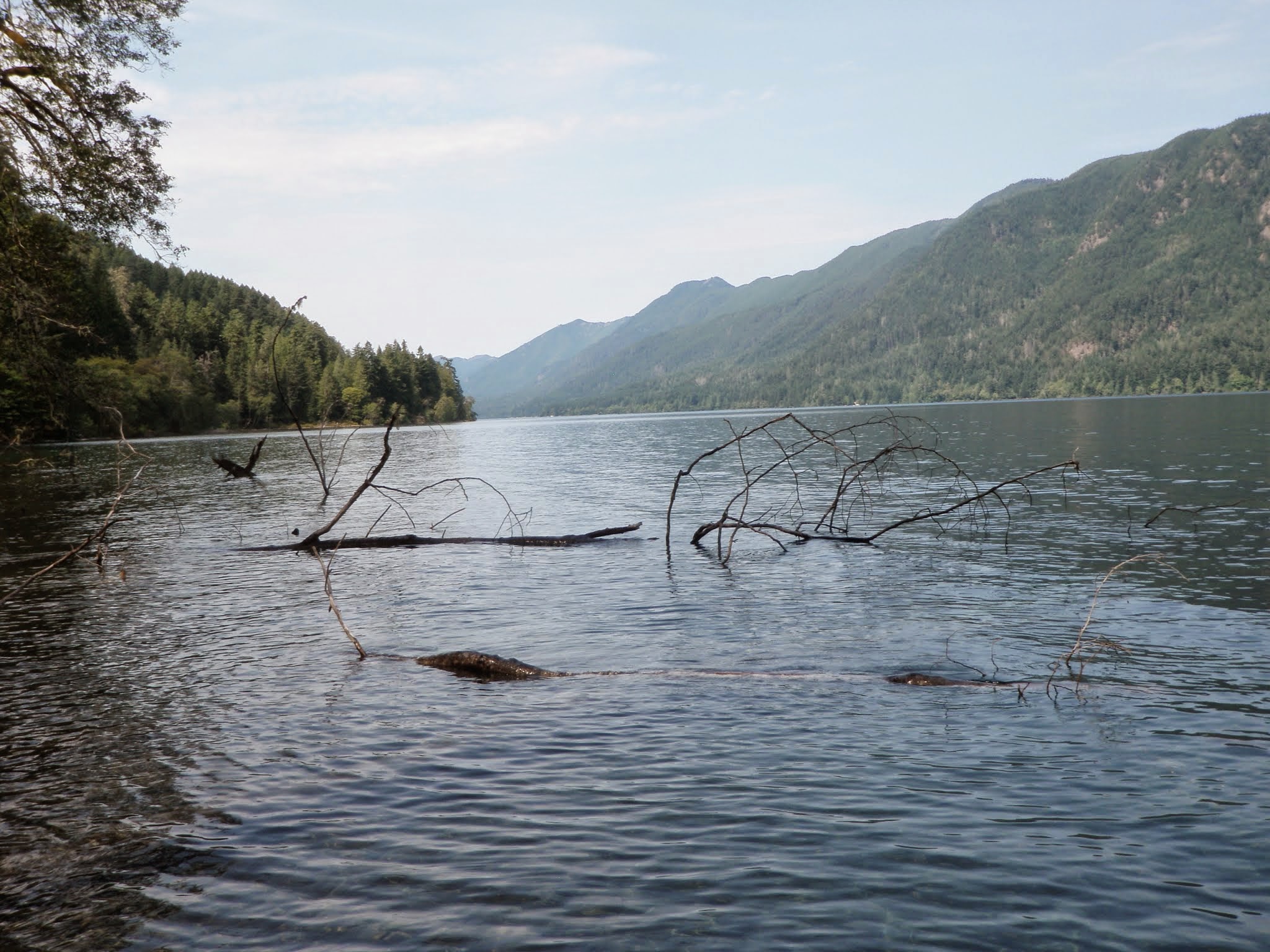
RS2 – 12/03/2015

RS2 12/03/2015 Photo Album

I chronicled the history of the RS2 in a previous post, so you can read that explanation by clicking on the link in this sentence. When I first began tying these diminutive nymphs in the 90’s, I used muskrat guard hairs for the tails, and I did not include a beadhead. At some stage in my fly fishing evolution, I became a huge proponent of dry/dropper fishing, and I began to add tiny silver beads to my output.

At this point in my fly fishing life I make all my RS2’s with beads, and I substituted fibers from a brown pheasant feather for the tail. The bead never seems to prevent fish from chowing down on the RS2, and the extra weight allows me to fish it as a single dropper off a large buoyant top fly.

Side View

Over the last two seasons I discovered that Craven’s soft hackle emerger is also a productive fly before and during blue winged olive hatches, so I migrated to using the small wet fly more frequently than the RS2. Despite this tendency, I continue to deploy the RS2 on a regular basis. I suspect that it also is taken for a midge larva during certain periods when baetis are not present in large numbers, and the small amount of weight related to the bead enables me to fish it deeper than the soft hackle emerger.

A Completed Batch

When I counted my supply of RS2’s, I found twenty present in my boxes and bins, so I tied an additional ten to bring my total to thirty for the 2016 season. The RS2 is an essential addition to my arsenal, and I do not plan to approach streams without some.

2015 Top Ten

Some readers may point out that I am posting a 2015 top ten list with nearly a month remaining in the year. There is truth to this assertion, and I genuinely hope to fish again before the new year as I attempt to surpass my previous annual record fish count. However, the likelihood of having a top ten day in December in Colorado is very remote, so I will press on. I can always edit and update this post if a miracle surprises me. Once again I enjoyed the task of reading over my adventures of 2015. Since I am now retired, I was able to accomplish the annual review over two days. Hopefully this will add some consistency to my choices, although these are purely my subjective opinions, and there is no documented criteria to guide my choices.

Here are the top ten of 2015 in reverse order:

10. Tuckasegee River 05/12/2015 – My first fishing experience in the state of North Carolina was very enjoyable. The river was teeming with trout, and I was blessed with the companionship of my son. Nine fish in 2.5 hours is quite respectable particularly on water that I never fished before.

Displaying His Catch

9. Yampa River 06/23/2015 – I was surprised by a stellar day of fishing in spite of high flows due to run off conditions. Large fish found my net, and a decent pale morning dun hatch aided my efforts. Jane and I celebrated our 36th wedding anniversary at a restaurant overlooking the river in a fitting ending to a wonderful day.

8. Big Thompson River 09/30/2015 – A twenty-eight fish day on a river that was ravaged by the 2013 floods was another surprise. A solid blue winged olive hatch allowed the soft hackle emerger to shine, and I discovered that Jake’s gulp beetle was a fish attractor in Colorado.

7. Arkansas River 10/02/2015 – My most successful day on the Arkansas River evolved after accepting advice from ArkAnglers Fly Shop. A zebra midge produced early, and then a decent baetis hatch enabled the soft hackle emerger and RS2 to be effective. Late afternoon dry/dropper success capped a fun day.

6. Yampa River 07/01/2015 – Large fish and a dense late afternoon pale morning dun hatch combined to make this a very memorable afternoon to start July. It is rare for the Stagecoach tailwater to yield this quantity of large fish in one afternoon.

Gill Color Is Amazing

 5. North Fork of White River 09/09/2015 – Large quantity, big fish relative to the stream size, and beautiful surroundings elevated this day to top five status. Gorgeous brook trout in bright spawning colors put an exclamation point on this outing.

4. South Platte River 10/08/2015 – Only size was absent from this spectacular day. Fifty plus fish, a pretty remote setting and the companionship of my lovely wife made this a day to remember.

Some Color Remains on Streamside Foliage

3. Conejos River 07/22/2015 – How could this end up number three? I had the river to myself and landed nearly forty beautiful trout. All were brown trout except for one seventeen inch rainbow. Four hatches occurred including green drakes, pale morning duns, golden stoneflies and yellow sallies. My large bushy green drake produced confident rises in the hours before hatches began.

2. Elk River, BC 08/08/2015 – My first venture into British Columbia and in fact my first time fishing in Canada was a delight. West slope cutthroat were new to my net, and they are the definition of subtle beauty. The scenery was spectacular, and my fishing companion Jake Chutz was a knowledgeable pro.

Jake Displays One of Dave’s Nicer Fish

 1. South Fork of White River 09/10/2015 – Awesome is an overused word in the present time period, but it applies to my hike in to the South Fork. I was miles from the trailhead and human beings. The scenery was rugged and breathtaking. I landed a large quantity of fish, and eight fish in the 14-17 inch range in a small backcountry stream boosted this to number one in 2015.

Pretty Catch Stretched Out

I Cannot Wait to Fish This

Bright Green Caddis Pupa – 12/01/2015

Bright Green Caddis Pupa 12/01/2015 Photo Album

I documented my history with the bright green caddis pupa several times on this blog, so I will not repeat it here. This fly is a great producer particularly during the April time period ahead of and during the grannom hatch on Colorado rivers. I experienced particular success on the Arkansas River with this fly. My post on caddis pupa 01/26/2014 provides a solid description of the techniques I use to fish the bright green caddis pupa in advance of the fabled spring hatches.

A View from the Top and Side

During the spring of 2015 I once again failed to intersect with a significant caddis emergence, and consequently the bright green caddis did not produce many fish. This was the second consecutive year in which caddis pupa were not effective flies for me during the period before snow melt in Colorado. Hopefully conditions in the spring of 2016 will reward my ongoing confidence in the emergent caddis pupa imitation.

Resting on Deer Hair

The bright green caddis pupa belongs to the same family of flies as the emerald version. I follow the recipe precisely that is published in Gary LaFontaine’s Caddisflies book on page 40. When I counted my remaining supply of bright green caddis pupa, I discovered that my boxes and bins contained 35. With a goal of carrying 40 to begin the next season, I only needed to manufacture five, and I quickly completed a batch in late November. Hopefully I will be able to encounter more situations in 2016 where the bright green caddis becomes an indispensable weapon to fool Colorado fish.

Arkansas River – 11/23/2015

Time: 9:00AM – 5:00PM

Location: Nature and Raptor Center on the Arkansas Tailwater below Pueblo Reservoir

Fish Landed: 6

Arkansas River 11/23/2015 Photo Album

All the factors were aligned for a noteworthy late November fishing trip. Unfortunately the dark side of mankind made an appearance during our otherwise enjoyable fishing trip, and this placed a dark cloud over perhaps my last outing of the 2015 season.

My friend Danny Ryan emailed me a week in advance to inquire whether I was interested in joining him for a trip to the Arkansas River in Pueblo on Monday November 23. I read several articles about this fishery, and the literature suggested that the Arkansas tailwater was the premier winter fishery in Colorado. The southern location and lower elevation combined with the constant water temperatures associated with a bottom release tailwater to create a benign environment for fishermen and fish. The long range forecast suggested that high temperatures would be in the low sixties on November 23, so I quickly responded to Danny that I would love to join him.

The weather did in fact develop into a gorgeous late fall day, and the water clarity was perfect. The flows were actually lower than desired at 115 cfs, and fly shop reports suggested that we could expect a dependable blue winged olive hatch. Fishing surface flies near Thanksgiving is icing on the cake for avid fly fishermen. Although the flows were somewhat low, this condition translated to fairly ideal conditions for wading and crossing back and forth on what is normally a very large river.

Danny Begins His Day on the Arkansas River Tailwater

We departed from Denver by 6:30 and arrived at the first parking area after the pay station lot at the Nature and Raptor Center of Pueblo by 8:30. My Weather Underground app indicated that the temperature hovered around the freezing level as we hastily dressed in our layers and pulled on our waders. In a concession to the cold morning temperatures I wore my down vest, wool finger-less gloves, toe warmers, and New Zealand brimmed hat with ear flaps. I am not a big fan of fishing in temperatures below 45, so I was a bit concerned about my comfort level as we strode down the path to the river. Danny on the other hand loves winter fishing, so he could barely contain his high energy as he guided me to the first decent run.

Fortunately the bright sun warmed the air quickly, and I managed to endure the first cold hour before conditions became quite pleasant. Danny and I began our day tossing nymph rigs, and I began with an ultra zug bug and RS2. For the first two hours we did a lot of slinging of split shot and indicators with little action, but I did manage to land two small rainbow trout in deep runs below man-made stream improvement structures. There are many angled rock deflectors throughout this section of the Arkansas River below the dam.

My first rainbow attacked a size 22 black zebra midge, and the second chomped the same diminutive fly. After forty-five minutes with no action, I swapped the RS2 for the midge larva, and then a bit later I exchanged the ultra zug bug for a bright pink San Juan worm. Danny meanwhile was experiencing similar success, although he seemed to land several fish that were slightly larger than mine.

This Area Was My Favorite on November 23 2015

By 11 o’clock we approached a bridge, and I noticed a very attractive section of water with numerous large midstream boulders and several nice deep runs. I paused to claim this water while Danny circled around and moved above me. As Danny was moving by, he pointed to an area along the current seam where he spotted a rise, so I observed some more and spotted several additional sips. I was not setting the world on fire with my nymphs, so I decided to make the conversion to a single blue winged olive dry fly, and I extracted a size 22 CDC BWO from my fly box and knotted it to my line.

A Decent Rainbow Trout

For the next half hour I experienced the best action of the day, as I landed three rainbows in the 11-13 inch range. I enjoyed this success by casting across and then allowing the fly to drift downstream to the point where the center current tailed out into the pool. On three occasions a  rainbow trout tipped up and slurped in my tiny surface offering. Unfortunately after landing the third fish, I hooked my fly on a stiff branch high in a tree, and I was forced to snap it off and replace it with another CDC BWO that had a bulkier wing.

Eventually the rises stopped so I exited the river and circled beyond two fishermen who entered between Danny and me. A third fisherman was on the upstream side of the bridge, so I went around him on the north side of the river, and then I spotted quite a few fishermen occupying inviting pools for the next one hundred yards. I traversed on a high bank until I could look down at the river, and after passing two fishermen, I found a stretch of water that looked attractive and offered a decent buffer between downstream and upstream fishermen. The other allure was the ridiculous number of rises that dotted a sixty foot segment of the river.

I began to cast across and allowed my fly to drift downstream using an approach that served me well in the previous pool. Initially I landed a small rainbow to bring my count to six, and then I pricked a pair of fish. Quite a few refusals joined the mix, but I was lured into thinking that my fly was a reasonably good match to the blue winged olives that bounced on the surface and fluttered into the warm November air. Danny joined me from the other side of the pool, and for the next hour we cast relentlessly to the pod of rising fish that slurped and sipped ravenously in front of us. Sadly for the most part we simply exercised our arms and shoulders. There had to be at least twenty-five fish feeding in the water surrounding us, but our flies went nearly unmolested. Toward the end of the hatch at approximately 3PM, I used my seine to collect samples from the surface film, and I discovered quite a few cripples and stillborn baetis along with a large quantity of empty nymph shucks. Upon close examination it was clear that the blue winged olives in my net were size twenty-four or smaller, and this probably explains the rejection of our over sized offerings. I probably should have skimmed the water earlier, but it would have made no difference, as I did not possess BWO’s that were that small.

Danny Changes Flies Late in the Day

From three until 4:30 I stripped a sparkle minnow through five or six deep pools, and I experienced one hook up, a couple bumps and one follow but no landed fish. Danny returned to nymphing, and he managed a few momentary hook ups, but the action was quite slow. While the sun remained above the horizon, the air temperature remained quite pleasant, and although stripping a streamer did not deliver much action, it allowed me to remain in constant motion while I basked in the unseasonably mild weather.

By 4:30 Danny and I returned to the area where we experienced the dense hatch in the early afternoon, and I decided to retire the sinking line and returned to my floating four weight. I was reluctant to return to nymphing, so I decided to try a size 14 stimulator with a trailing beadhead soft hackle emerger. I saw a few large caddis on the water thus the stimulator, and I also hoped that perhaps the soft hackle emerger would imitate straggling blue winged olives. Over the next half hour as the light quickly diminished I managed a few refusals to the stimulator. Quite a few fish resumed feeding on the surface, and I could not see anything obvious in the water, so I swapped the soft hackle emerger for a griffith’s gnat. On one upstream cast I pricked a fish for a split second with the gnat, and then I temporarily foul hooked another fish that refused the stimulator and could not avoid the path of the trailing gnat.

Danny continued deploying his nymphs thirty yards above me, and miraculously he reveled in a game saving hot streak as he landed three very nice rainbows as darkness descended. One of his fish attacked a black leech and the others nabbed a small gray midge pattern. By five o’clock it grew quite dark, and although Danny was reluctant to terminate his belated streak of good fortune, he begrudgingly agreed that we needed to begin our long return hike. We waded along the edge of the river for .3 mile, and then we found a path that intersected with a dirt road and hiked another .75 mile to the parking lot. By the time we approached Danny’s truck it was quite dark and cold, but Danny asked if we left the window open on the passenger side. I replied that I never put the window down, and as we grew closer, we were astonished to see that someone had smashed the glass so that the window was entirely open.

Danny instantly checked for his wallet and phone and found them in the center console. I was concerned about my blue and white tote bag which contained my wallet, iPhone 6, and prescription sunglasses; but I was too cold to climb over the seat to look immediately. I did remove the rod case that was angled toward the window, and I quickly assured myself that the two piece Loomis rod remained in the tube. I quickly clipped off my flies, broke down my rod and climbed out of my waders. Once I was back in my warm and comfortable street clothes, I climbed over the passenger seat that remained covered by shards of glass and searched for my blue and white tote bag. It was gone! The low life cretins that smashed the window apparently grabbed my bag and took off. There is nothing worse than the sinking feeling of being robbed and the realization that one’s wallet is gone.

Well I could go on bemoaning my misfortune, but my impression of the Arkansas River tailwater in Pueblo will be forever tainted by this experience. Until this point, I enjoyed a gorgeous day with some late season trout in a new location. Unfortunately individuals that have no regard for personal property ruined our fun on November 23.
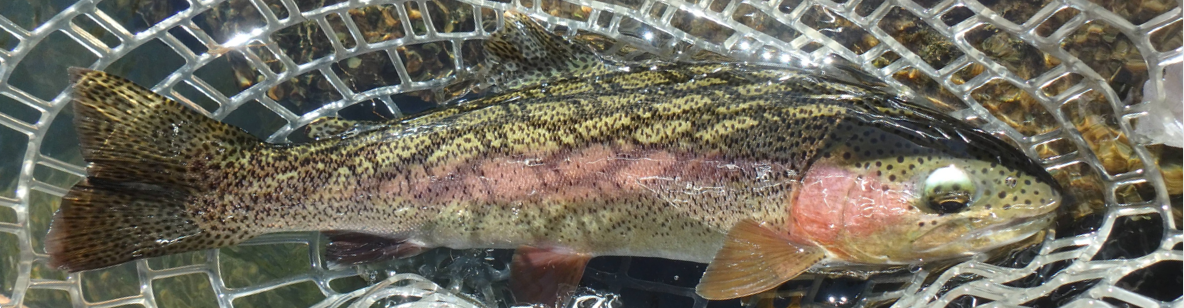
 

Beadhead Emerald Caddis Pupa – 11/19/2015

Beadhead Emerald Caddis Pupa 11/19/2015 Photo Album

My history with the emerald caddis pupa is explained in a 01/01/2012 post, so I will not repeat it here. In short I began using it with success in Pennsylvania, and its effectiveness translated to Colorado and western rivers. Besides being an effective imitation of various caddis species, I suggest that the emerald color is a significant triggering characteristic that attracts fish during times of the year when a specific matching caddis species is not present in significant quantities.

Top and Side View

The style of fly is copied from Gary LaFontaine’s emergent caddis pupa, which is described in Caddisflies. As Gary prepared to write his book, he performed dives in Montana rivers so he could observe the behavior of caddis as they emerged and moved through their life cycle. He was dissatisfied with the many patterns in existence at that time, and he sought improvements. During his dives he identified a significant triggering characteristic and then searched through many materials until he found a solution. He discovered that caddis pupa surrounded themselves with a bright air bubble as they swam from the stream bottom to the surface to quickly pop free and emerge into the adult stage. He was certain that imitating this glittering air bubble would lead to a caddis wet fly imitation with improved effectiveness.

After much trial and error he stumbled on to a material called antron yarn. This fabric was used in the manufacture of  carpeting, and during his experiments, he noticed that it created the illusion of an air bubble similar to natural emerging caddis. With this discovery he designed caddis subsurface patterns that used antron yarn which also was known as sparkle yarn. The critical element of the LaFontaine caddis pupa is the sheath that surrounds the abdomen, and this body component is comprised of antron yarn tied in at the bend and then folded forward to create a shroud above and below the body. Since LaFontaine’s ground breaking book, many tiers have created alternative flies and a vast number of variations, but the original design continues to catch fish and has served me well over many years. I plan to continue fishing with a proven winner that is fairly simple and straightforward to produce.

Perched on Deer Hair Used for Emergent Wing

For some reason I did not seem to fish caddis pupa as frequently in 2015 as in previous seasons, and consequently I counted twenty-five in my boat box and bins. Since I established a target beginning inventory of thirty, I only needed to tie five to reach my goal. I cranked these out yesterday, and I am prepared for caddis situations in 2016. One reason for less caddis pupa usage was fewer trips to the Arkansas River during the early part of April. I also suspect that I defaulted to the ultra zug bug in many situations where I may have previously resorted to an emergent caddis pupa.

A Fresh Batch

Hare Nation Nymph – 11/16/2015

Hare Nation Nymph 11/16/2015 Photo Album

Last winter I conceived a hybrid fly that I named the hare nation nymph. The name is a combination of hares ear nymph and salvation nymph, and my concept was to combine the features of two of my most productive flies. From the salvation nymph I borrowed the nymph back and flashabou strip along with the black peacock ice dub thorax and a coating of clear nail polish over the entire back of the fly to accentuate the flash and sparkle. From the hares ear nymph I utilized the buggy hares mask dubbing with plentiful guard hares for the abdomen and the pheasant wing feather fibers for legs. I produced thirteen of these new prototypes and used nearly all of them during the 2015 season.

Top View Shows Off the Flash

The fact that I consumed nearly all of my new flies indicates that it was a success. In addition to combining the salient traits of two productive flies, I also speculated that the hair nation fulfilled the role of a dressed up pheasant tail nymph, as it presented a similar color scheme. For some reason I historically tied my pheasant tail nymphs on size sixteen scud hooks with a bead, and this translates to a body length comparable to a size 18. I liked the idea of having some nymphs similar to pheasant tails that were a size larger for pale morning dun hatches.

A Batch of Hare Nation Nymphs and Key Ingredients

I did not pay close attention to the precise circumstances that favored the hare nation, but I recall using them early in the post-runoff time frame when pale morning duns are prevalent, and I am certain that they produced. Whether they outperformed a standard salvation nymph or not remains open to question. Perhaps in the coming year, I will alternate between the two flies during prime pale morning dun emergence periods and judge whether one is more effective than the other.

Zooming in on the Finished Flies

At any rate I experienced enough success with my new creation to convince me to tie twenty additions for my fly storage bins. In a worst case scenario I increased my salvation nymph supply by twenty, and that is not a bad circumstance. Stay tuned for updates on the evolution of the hare nation nymph.

Salvation Nymph – 11/15/2015

Salvation Nymph 11/15/2015 Photo Album

Trout candy. The salvation nymph seems to be irresistible to the trout of Colorado. If you click on the link in the previous sentence, you can read about my introduction to this fly. I now realize that the fly that I hold in such high esteem is officially named the tungsten salvation nymph and was designed by Devan Ence. I do not use tungsten to tie my version, so I simply refer to it as a salvation nymph. If adding a tungsten bead to this fly improves its performance, then perhaps it should be outlawed, since it is an extremely productive fish magnet without the tungsten.

As described in my 12/30/2011 post, I initially fished with a salvation nymph on the Conejos River during a 2011 trip, and I experienced quite a bit of success. Each year since then, I tied more of these jewels and fished them over greater time periods until they became my number one workhorse fly during 2015. During 2014 I discovered that they were particularly effective during the pale morning dun hatch time period, however, this past season convinced me that the salvation nymph is a superior fish attractor during all seasons. I usually start my day on the water with a salvation nymph attached to my line as the featured dropper in a dry/dropper configuration or as the point fly in an indicator nymph set up. Rarely does it let me down.

Top Producer

In many cases flies appeal to human beings more than they attract fish, but the salvation nymph is an example of a fly that is extremely pleasing to the eye of a fisherman and is also a tantalizing morsel to the underwater cold water inhabitants of our streams. I love the way the fly reflects light from all angles especially the iridescent sheen that emanates from the flashback and wing case. Adding to the sparkling appeal is the ice dub abdomen, the black peacock ice dub thorax and the copper rib. The small rubber appendages are simply icing on the trout dessert menu.

Salvation Nymphs and Associated Materials

All the materials are synthetic except for the tail, and this translates to durability. I dab the thread wraps with clear nail polish at three key tie down points, and then shellac the wing case and the abdominal covering with a thick layer as well. I nearly always lose these flies to rocks, tree limbs and break offs before they unravel or breakdown on their own.

Lots of Sparkle

Since I use this fly more than any others in my box, I also lose quite a few. I began 2015 with 50 salvation nymphs stashed in my fly bins, and when I recently counted my remaining stock, I discovered that eighteen remained. I increased my desired starting inventory for 2016 to sixty and the arithmetic told me that I needed to produce forty-two to reach my desired starting level. After diligently visiting the tying bench over the past week, I reached my quota, and I am excited to learn whether the salvation nymph can continue to satisfy the cravings of Colorado trout.


Clear Creek – 11/09/2015

Time: 11:45AM – 2:00PM

Location: Mile marker 266.5 and then upstream

Fish Landed: 2

Clear Creek 11/09/2015 Photo Album

After two nice days at the beginning of last week, the weather in Colorado finally turned toward an expected seasonal cold snap from Wednesday through Saturday. We avoided snow at our house in Stapleton, but the mountains and many towns along the Front Range experienced their first significant snowfall of the season. I used the adverse weather to augment my fly supply by tying ultra zug bugs and hares ear nymphs.

On Sunday and Monday however a break in the approaching winter pattern encouraged me to make yet another fishing trip. I preferred a trip to South Boulder Creek or the Big Thompson, but these two streams were trickling from their dams upstream at 11 CFS. I’m not sure what the water managers are up to, but these levels are quite low. Clear Creek continued to register flows of 30 CFS, so I chose to make yet another trip to Clear Creek Canyon.

A high in the low sixties in Denver translates to air temperatures in the low fifties in the canyon, so I took my time getting ready to depart on Monday morning. By 10:30AM, however, I judged that the weather would be tolerable, so I departed Stapleton and made the short thirty minute drive to mile marker 266.5 in Clear Creek Canyon. I prepared to fish by assembling my Orvis Access four weight, and then I ate my lunch because I planned to scramble down the steep bank to fish and did not wish to climb back for lunch and then descend a second time.

Starting Point. Mostly Clear.

By 11:45 I finished my lunch and found a relatively gradual path from the rim of the highway to the floor of the canyon. I  was pleased to discover that the water was ninety percent clear, but still tinged with some slight sedimentation presumably from the trail construction a few miles upstream. The clarity was much improved compared to my visit on the previous Monday.

I began fishing with a Jake’s gulp beetle, but this choice failed to arouse any interest in the first ten minutes, so I made a change. I pledged to not dwell on an unproductive fly excessively since my window of prime fishing time was only 2.5 hours. I removed the beetle and knotted a parachute hopper to my line and then added an ultra zug bug on a two foot dropper. I moved upstream quickly prospecting likely pockets with no reaction from the trout to my twin offering until I reached an area where the most attractive water was along the north bank. I waded to the middle of the river to position myself to cast to a very juicy deep pool that bordered the far bank.

A Very Nice Clear Creek Brown Trout

The lower section of this bank pocket did not produce, but when I flicked the tandem into the short top pocket, the hopper darted sideways, and this provoked a solid hook set. I was pleased to see a fine brown trout thrashing on my line, as it tried to eject the ultra zug bug from its lip. When I netted my catch, I was pleased to note that it was eleven or twelve inches and one of the nicer brown trout that I ever extracted from Clear Creek.

I moved onward and worked my way up the right bank, as I now suspected that it received less pressure and might be more productive in the challenging late season conditions. I cast to three or four promising deep runs with no success before I approached a spot that contained some very slow moving water. This section failed to yield any fish, but right above it a deep run angled at a ninety degree angle from the stream toward the north bank. I placed a few casts in the slow water along the side of the current, and then dropped a cast at the top of the small run. As I lifted to recast after a short drift, I felt weight and set the hook and landed a second brown trout that was slightly smaller than my first catch.

A Second Brown

I now theorized that the best spots were the very slow moving pools and pockets. My feet were starting to feel like stumps due to the very cold water, so I conjectured that the snow from the previous week melted and caused the water temperature to drop. The cold water caused a reduction in the metabolism of the fish, and in order to save energy they migrated to the parts of the creek that contained less current to battle.

This was a great theory, but I was never able to confirm it, as I continued working my way upstream, but I never landed another fish before I decided to convert to a streamer at 1:30. In reality I never encountered any water that was slow moving and along the bank, so perhaps my thought process was accurate, and I never found the proper conditions to confirm.

A Short Section in Sunshine

At any rate I was feeling quite chilled and bored with the lack of hook ups, so I decided to devote the final thirty minutes to stripping a streamer. I switched to my sink tip line and tied a conehead cream colored sculpzilla-style streamer to my line and began working the deep pools and pockets. The bait imitation looked great as it zigged and zagged through the deep areas, but I never attracted even a follow to my fake sculpin. At two o’clock I called it quits and scrambled up the steep bank to the road.

Close Up

It was a tough 2.5 hours of fishing, and I felt quite fortunate to land two decent fish. I am hopeful that the early snow melt will pass, and that some additional warm days will allow me to increase the fish counter before the end of 2015. I am also considering exploring tailwaters, since they will not be affected directly by early season runoff.

Hares Ear – 11/05/2015

Hares Ear 11/05/2015 Photo Album

I caught more fish on a beadhead hares ear nymph than any other fly during my fly fishing lifetime. My friend Dave Gaboury swears that my version, which he calls Dave’s hares ear, is superior to those he purchases. My modest modifications include tying them on a curved scud hook (Tiemco 2457), using small clumps of pheasant body feather fibers for the tail and legs, and including a generous amount of guard hairs from a hares mask in the dubbing. A hunting friend shot a rabbit many years ago in Pennsylvania and donated the hide to my fly tying material cache. I can certainly testify that my hares mask is the real thing, and despite tying at least a thousand of these flies, I still possess ten lifetimes worth of hares mask.

Brown Legs with Fewer Guard Hairs

Unruly Look with Guard Hairs

Gradually over the last couple years I gravitated to a salvation nymph and ultra zug bug ahead of the hares ear, however, I continue defaulting to this reliable general nymph imitation nearly every time I fish. I particularly favor the hares ear on the Arkansas River, as it seems to imitate caddis pupa and yellow sally stonefly nymphs, and these two bugs are quite prolific in Big Horn Sheep Canyon through which the Arkansas flows. Historically I attempted to enter each new season with 100 beadhead hares ear nymphs in my fly bins, but because I rely more on the other two nymphs mentioned earlier, I lowered the starting inventory goal to eighty.

Front Shot of the Pair

When I counted my existing stock of hares ear nymphs several weeks ago, I determined that I had 65, so I tied fifteen new additions to bring my total to the goal amount. When I tie beadhead hares ear nymphs, I dab head cement on the threads after attaching the tail and gold wire for ribbing. I am convinced that this helps to prevent the fly from unraveling at the rear. After I dub the abdomen, rib, and attach the wing case material; I apply another coat of head cement in the thorax area. Of course the head wraps behind the bead receive the final application of head cement to protect the fly from unraveling. This area remains the most vulnerable, and I have several flies that I plan to refurbish because the threads at the head got severed by the teeth of hungry trout.

A Batch of Hares Ear Nymphs


Ultra Zug Bug – 11/04/2015

I first discovered this fly in my Scott Sanchez book, and I tied some as a quick simple replacement for a prince nymph. I use a prince nymph primarily during the spring caddis hatch, as it seems to be a reasonable representation of egg laying adults. I can tie the ultra zug bug much faster than a prince, since I do not attach goose biot tails or wings. I am not sure why I limited my usage of the prince to the spring, since I suspect it would be a fish catcher all year long.

During 2014 I attached an ultra zug bug to my line when I was running low on salvation nymphs. Much to my surprise I discovered that this simple fly was highly desired by Colorado trout in the fall as well as during the spring. Consequently I tied a large batch during the off season and entered 2015 with 50 stashed in my storage box. Because I possessed a significant supply, I opted to attach this sparkling nymph to my line very frequently, and I was pleased to find that it produced fish throughout the season.

A Newly Completed Ultra Zug Bug

I recently took an inventory of my workhorse nymphs, and I determined that I needed to tie twenty-one new versions to boost my supply to fifty. I churned these out in two relatively brief tying sessions, and I am set for the next season.

Tying an ultra zug bug is about as simple as it gets. I tie them mainly on Tiemco size 14 2457 hooks, and I drop a 3/32″ gold brass bead on the hook point and push it around the bend to the hook eye. Next I attach a small clump of brown pheasant feather fibers for the tail, but I am sure alternative sources of brown tailing materials are acceptable. Next I tie in a strand of pearl crystal hair, and this step is followed by dubbing the hook shank from the tail to the bead with peacock dubbing. Taper the body and take it all the way to the bead and fill the area behind the bead generously. Next wrap the crystal hair strand as a rib to the bead and then tie it down and snip it off. I believe the crystal hair rib is a key ingredient of this fly, as it provides a nice sparkle from beneath the shaggy dubbing. Finally spin a couple sparse clumps of dubbing around the hook just behind the bead, and then pull the fibers that extend forward back and place three wraps over them to lock in a rear facing position. Whip finish and coat the thread wraps with head cement. The last step is to comb through the spun dubbing and then cut off the fibers that extend beyond the hook bend.

Ten Additions to My Fly Box

That’s it. You now have a simple productive attractor nymph that seems to attract fish all season long. They look extremely buggy, but I am not sure what actual insect they actually imitate. As long as I am catching fish I really do not care.