Time: 11:00AM – 2:00PM
Location: Steamboat Springs
Yampa River 06/25/2025 Photo Album
I had my eyes on the declining flows on Colorado freestones, and I managed to squeeze in a trip to the Arkansas River on 06/20/2025. The other rivers I typically track carefully on their way down from peak run off are the Eagle River and Yampa River. In the case of the Yampa, flows dipped to the 900 – 1000 CFS range toward the beginning of last week, but because the drive is more than a day trip, and because I had commitments on Tuesday and Thursday, I could not fit in the drive . The Eagle River, on the other hand, was just coming into prime edge fishing range, and I planned to make a trip there in the near future.
Meanwhile, my wife was aching for some wildflower watching and camping, so we made reservations to camp at Steamboat Lake State Park from June 23 through June 25. On Monday we made the drive, and the wildflowers were indeed amazing. Yellow arrowhead balsam root flowers carpeted all the open areas away from trees including the spaces around our campsite. Lupines and Indian paintbrush served as adornments to the massive yellow blankets. During Monday and Tuesday we amused ourselves with hiking and camping activities, including a dicey drive on a rough four-wheel drive road. I own a Kia Telluride, and it possesses all wheel drive, but its clearance is not comparable to a Jeep or other rugged rides geared for rough off road travel.
I white knuckled three miles on a fairly rough “improved” national forest road, and then we turned onto another narrow passage. On my map this road was shown as even more undeveloped than the first road. I managed to navigate downhill for .7 mile, and this included a couple serious drop offs from some large horizontal rocks, and my concern grew for the return drive. We found a small nook large enough to park, and we hoofed the remainder of the road to the creek and then continued for another .7 mile, until we turned around.
 Scene Of Early Success
Jane grabbed for her phone to take photos, and of course it was no where to be found, so that added another concern. We worried about the loss of her phone, our ability to turn around on the narrow dirt road, and I recalled that the Telluride had an AWD lock button, but I was not sure where it was located.
 Stunner
We completed the return uphill hike to the car, and fortunately Jane’s phone was placed on the passenger seat. Next she served as my guide, as I executed a tight turnaround in order to face uphill for the return drive. Finally, I got out the thick owners’ manual for the car, and after a bit of searching, I found the AWD lock instructions. We slowly crept up the rocky and rutted road, and at the particularly gnarly spots, I hit the lock button. We made it back to the first national forest road, and then we slowly maneuvered back to the main road. Whew! What a stressful adventure.
 Curled with Slash
But this blog is supposed to be about fly fishing. What did any of this have to do with that pursuit? On Wednesday morning Jane and I packed up our camping gear. We were careful to keep fishing items in accessible spots. Steamboat Springs and the Yampa River were along the path on our return to Denver, and I was allotted fishing time.
 Similar Looking Fish Nook
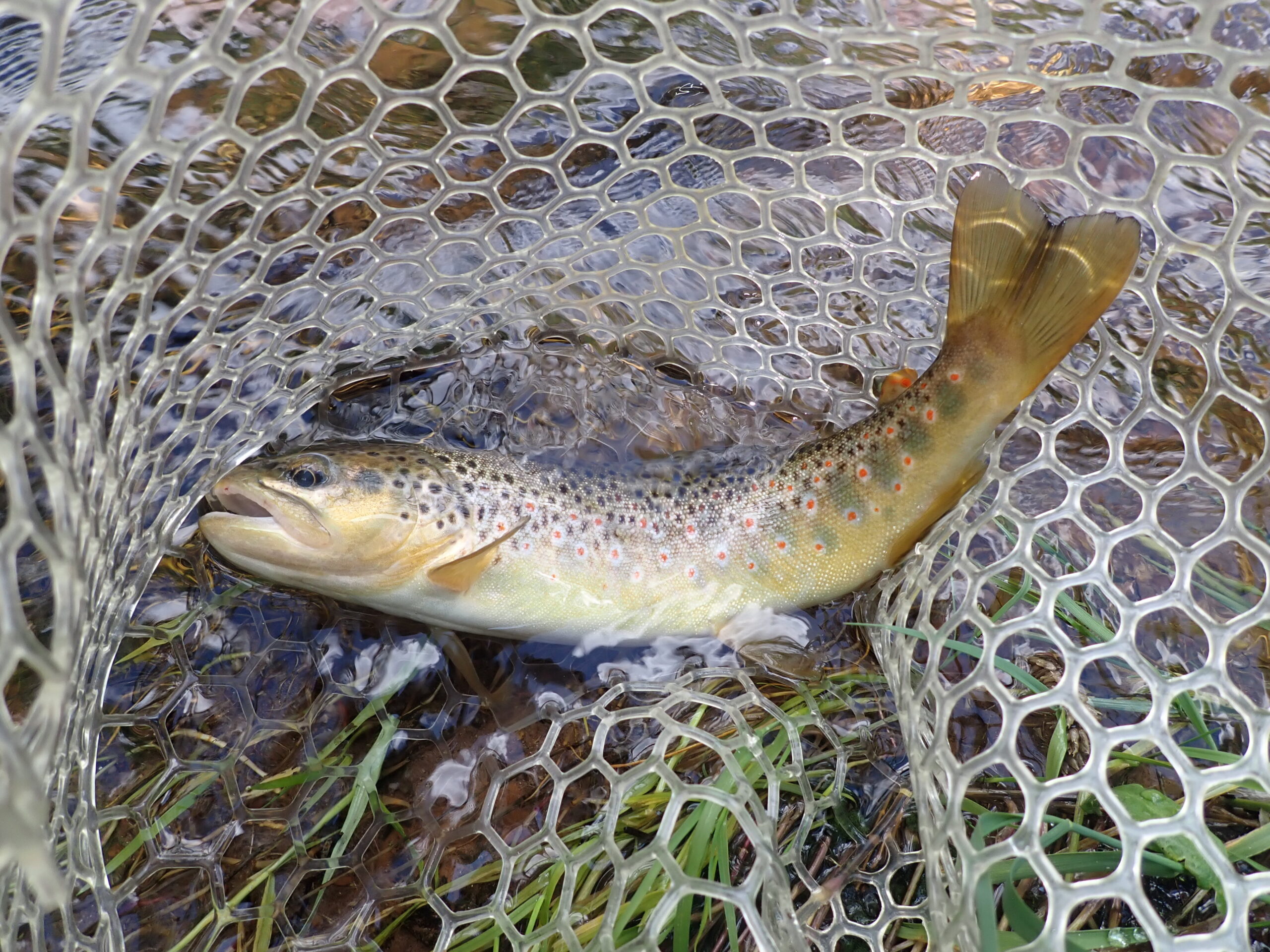
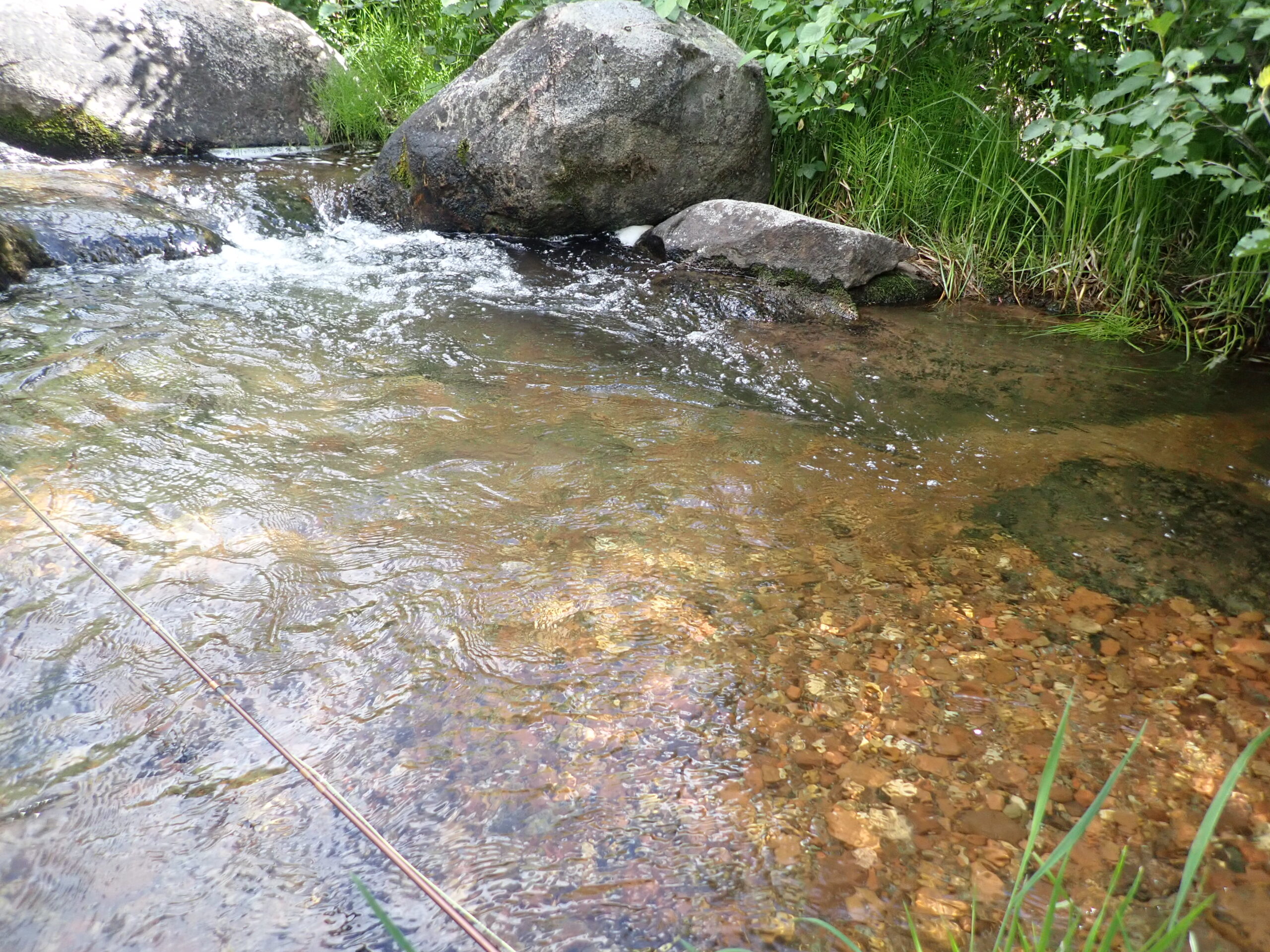
We arrived at our favorite parking lot by 10:30AM, and this enabled me to be on the river ready to fish by 11:00AM. The sky was overcast, and the flows were in the 260 CFS range. I thought this would be low, but the river was, in fact, in a prime state for fly fishing. I rolled with my Sage R8 four weight, and I rigged initially with an amber ice dub chubby Chernobyl, an iron sally and a salvation nymph. I got in position to make a couple casts, and within minutes a flotilla of tubers cruised by. One of the outliers splashed by within ten feet of where I was fishing. I was undeterred and on the fourth cast, the chubby dipped, and I hooked up with an outstanding fourteen inch brown trout that inhaled the salvation nymph. I was more than elated. In the same small pocket along the bank I foul hooked another very respectable brown.
 Girth
Girth
I moved up the river along the right bank, and in a short amount of time I landed a small brown barely over the six inch barrier for counting. Some kayaks and tubers once again passed by, and I carefully waded along the edge to more promising locations. After ten minutes I arrived at a nice long pocket, and I flicked a cast to the midsection. Bam! A fish grabbed one of the nymphs, but I set the hook and connected for a brief period, before the fish tossed the fly and returned to the river. Unfortunately the energy in my fly rod snapped back and flicked the three flies over a cable that spanned the river. The cable was already littered with spinners, monofilament and flies; and my chubby Chernobyl dangled there two feet below the cable. I was in deep trouble. I looked around and found a four foot long branch and used it to insert in the loop above the chubby. After a few failed attempts, I snapped the branch downward with force, and the chubby remained embedded in the branch along with the trailing leader. I recovered the chubby Chernboyl.
 Riffles
Unwinding the remaining flies and line seemed like an impossibility, but now that the flies were removed, perhaps I could pull the tapered leader through whatever snarl it belonged to. I grabbed my line and imparted direct pressure, and the line broke free. Guess where it broke? The loop at the end of the fly line separated, and I lost the entire tapered leader along with two nymphs. I knew I had additional tapered leaders in my frontpack, but how was I to reconnect to the fly line? I unwound a seven foot leader tapered to 5X, and it did not have a loop. Standing in a stream did not gain me access to nail knot tying instructions, so I improvised and tied a surgeon’s knot to connect the fly line and butt section of the tapered leader. It worked for the remainder of my day.
 Arm’s Length
By now I observed small blue wing olive mayflies and occasional larger pale morning duns, so I used the break to re-rig my line to switch to a double dry approach. For the first fly I tied on a peacock body hippie stomper. Behind it I added a light gray comparadun on a short one foot leader from the bend of the stomper.
 Two Beauties at the Tail of This Pool
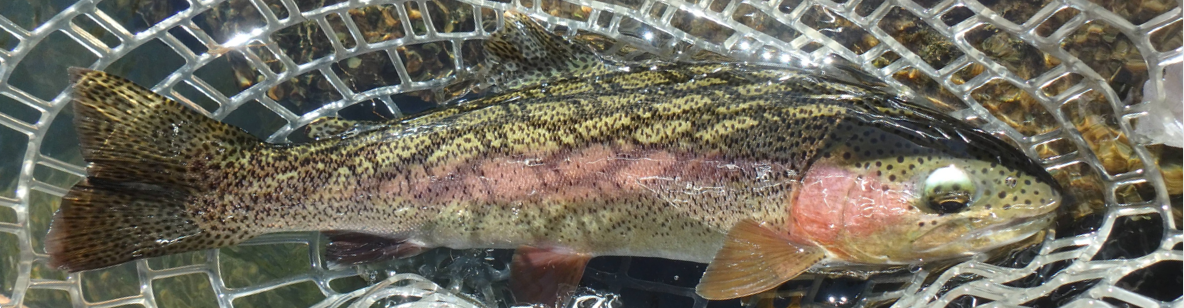
I began casting to the location of recent rises along with juicy runs and pockets, and I increased the fish count from two to five. One of these additional landed fish was a stunning cutbow of fifteen inches with rosy cheeks and a bright orange slash. I was rather pumped. As the dark clouds moved overhead, the wind began to gust, and my ability to cast accurately was constrained. In addition, the mayflies either halted their emergence, or they got blown off the water, because surface feeding became a historical event.
 Excellent Spot
This mini storm that lacked precipitation lasted ten minutes, and then the air calmed, but the clouds remained. I spotted occasional mayflies, but never as dense as the brief period before the weather event. Nevertheless, intermittent rises occurred, when I observed closely. The next fish I managed to hook put up a major tussle and broke off the light gray size 16 comparadun, so I replaced it with a size 16 cinnamon version. It proved to be a stroke of genius. The fish count mounted from five to twelve, before I called it quits at 2:30PM.
 Mature Brown Trout
The game during the early afternoon consisted of a lot of observation. I prospected likely spots, but as I did so, I spotted very subtle surface disturbances, and then I honed in on those locations. Some of my best catches resulted from across river casts, where I allowed the comparadun to drift downstream ahead of the hippie stomper. On quite a few occasions, a trout grabbed the comparadun at the tail of a pool right before the fly accelerated.
 Such Dark Colors
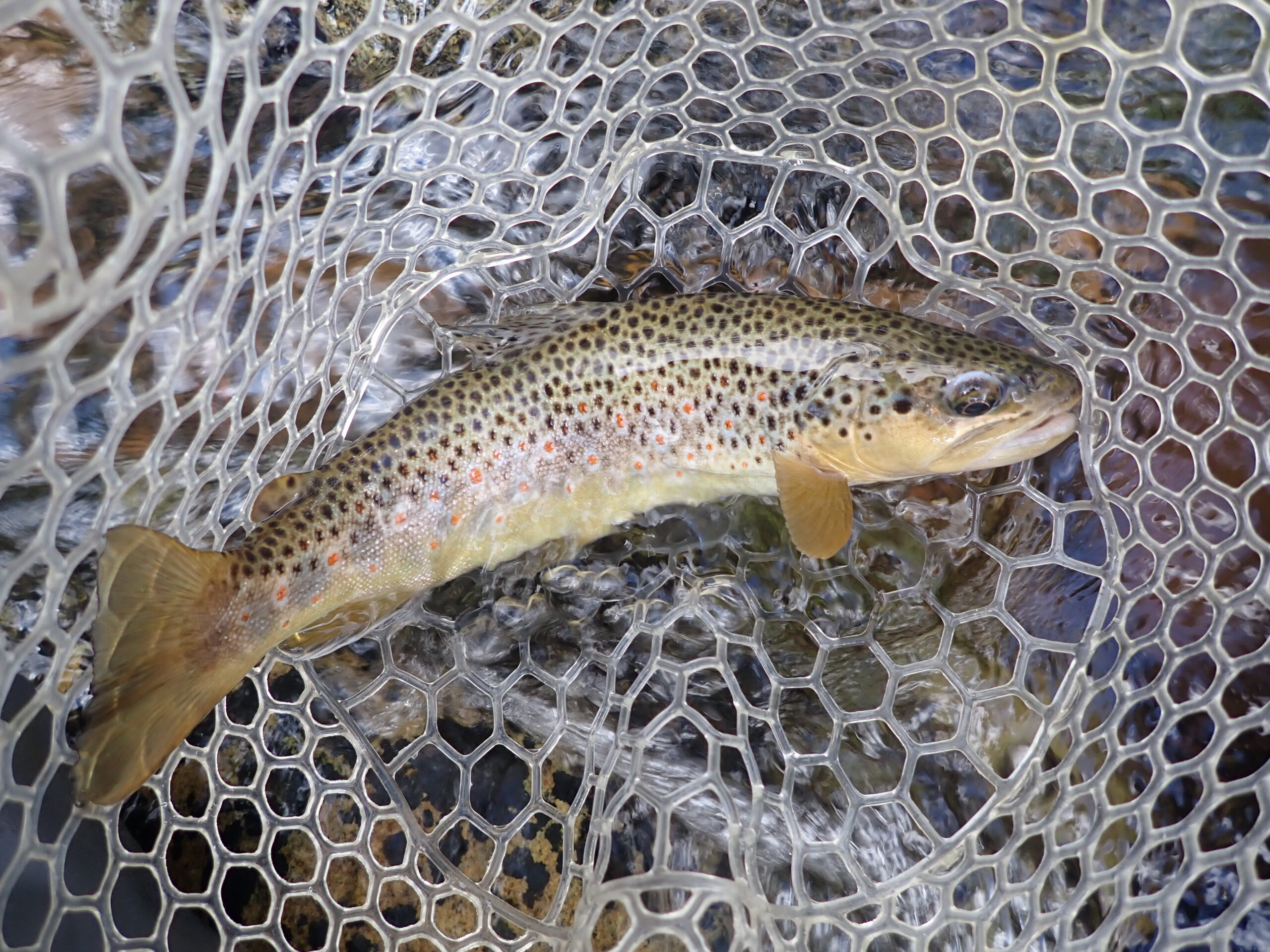
How was the quality of the fish? Superb. Of the twelve fish landed on the day, two were cutbows, and the remainder were brown trout. Other than the small number two, these browns were unbelievable fish. They were fat and fit and displayed vivid markings. They fought ferociously characterized by fierce head shaking, diving and rolling on the line. I was simply blown away by the 3.5 hours of fishing.
 From the Swirls
Adding to my euphoria was the fact that all but the first two fish were fooled by a dry fly. Several times I considered reverting to the dry/dropper, but in each case a hefty brown trout would sip my fly and dissuade me from making the switch. By 2:30PM I arrived at a bridge, and rather than commit to another section, I hooked my flies to the guide and hiked back to the car to greet Jane.
 They Keep on Coming
What a day! Twelve stunning fish in 3.5 hours of fishing during a sparse pale morning dun hatch. Dry flies were favored, and downstream casts seemed to do the trick. I overcame a frustrating impediment to my fishing early on, when I lost my tapered leader. Improvisation was the name of the game. I was concerned about low flows and tubers, but neither seemed to pose a barrier to my success.
Fish Landed: 12
 Off and Running
 Gorgeous Hole
 Splendid
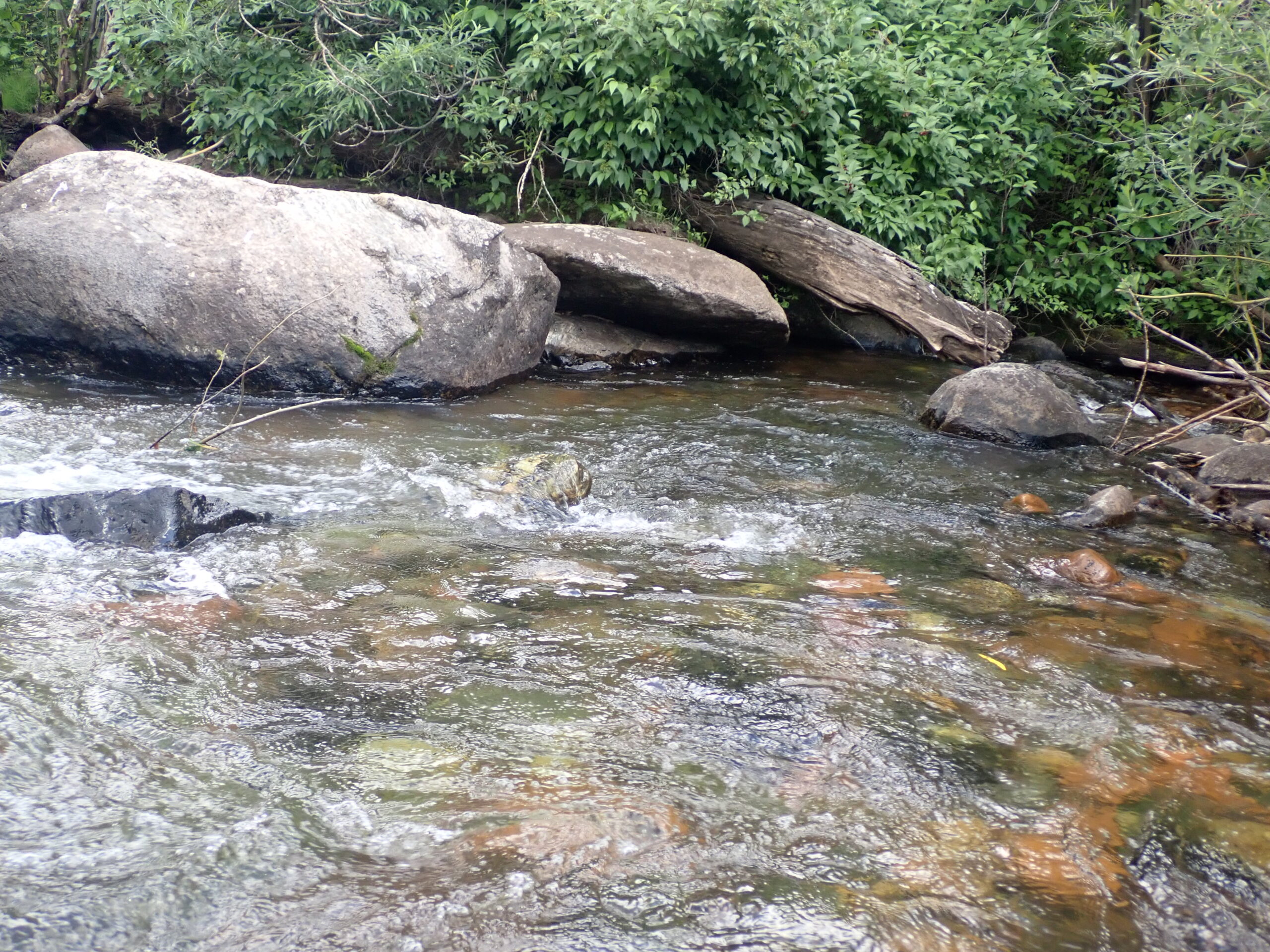 Slow Area Next to the Boulders Delivered
 Poised to Return
 Solid Prospecting Spot
 Pretty Section
 Huge Spots on a Small Fish
 The Type of Water That Produced Brook Trout
 Flaming Orange
 Not Bad for Early
 Deep Slot
 A Rainbow Joins the Catch
 Pocket Water Bonanza
 Thick
Thick Promising
 Showing Off Color
 Beauty
 High and Clear
 Typical
 Next to the Large Round Rock
 Nice Close Up
 Slots to Explore
 Fourth Double of 2025
 Second Click
 Nice Water Ahead
 Headed Downstream
 Top Fly, Chubby Chernobyl
 Pat’s Rubber Legs
 On Fire
 Anglers Behind Us
 Film Critic PMD
 Afternoon Brown Trout Beast
 Look at the Shoulders
 Starting Point
 Barely Visible Pink
 Best of the Day
 Long Slick Produced
 The Descent to the River
 High but Clear
 Finally on the Board
 Salvation Did the Trick
 Another Representative Trout
 Tough Wading Here
 Hot Spot Among Rocks
 Long One
 Better View
 Boulder Field
 Next to the Large Rock on the Right
 Very Respectable
 Early Beast
 Fine Looking Area
 Nice Rainbow
 Pleased
 Productive Water Ahead
 Cutbow Monster
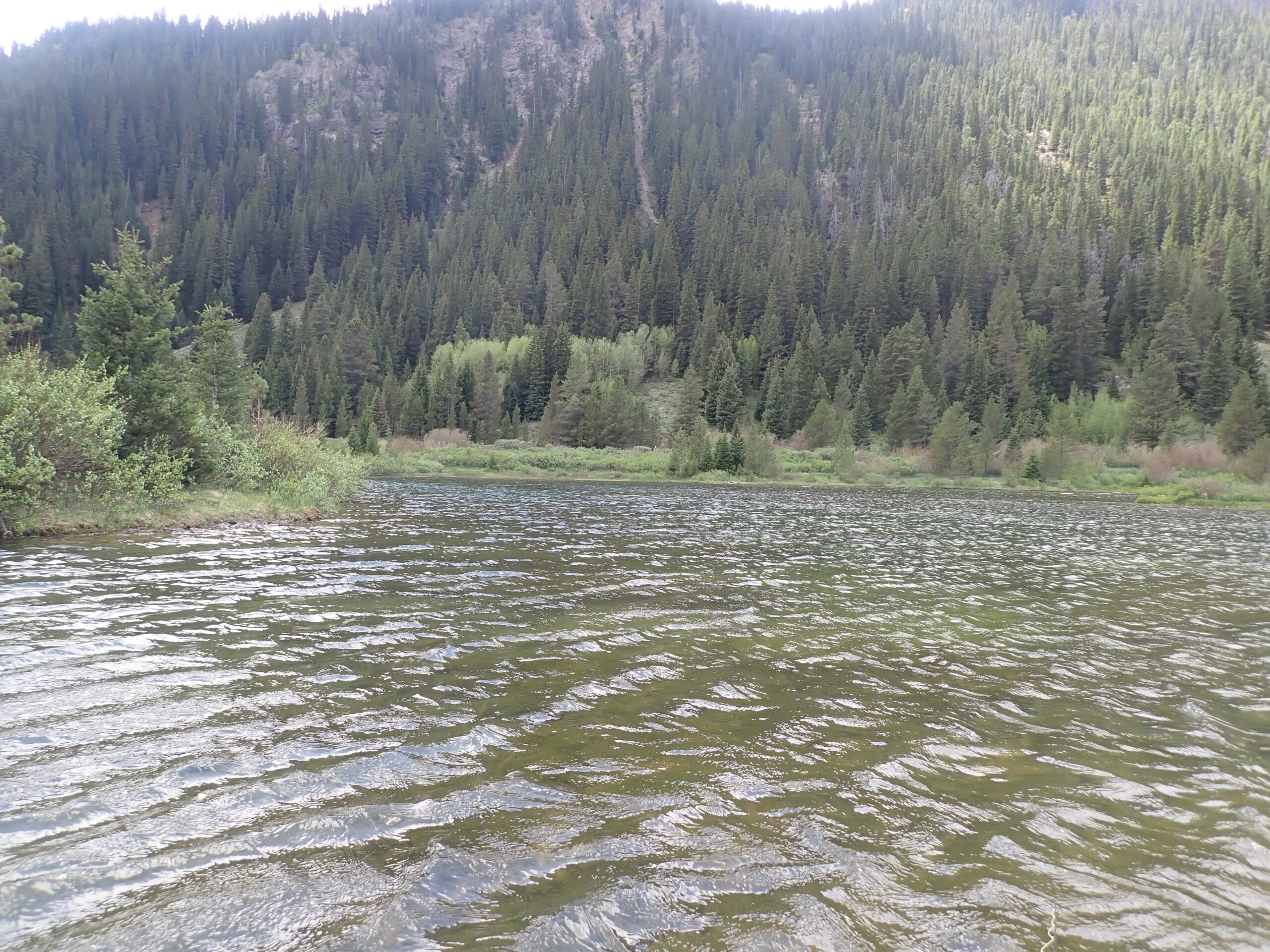 Small Waves Greeted Me
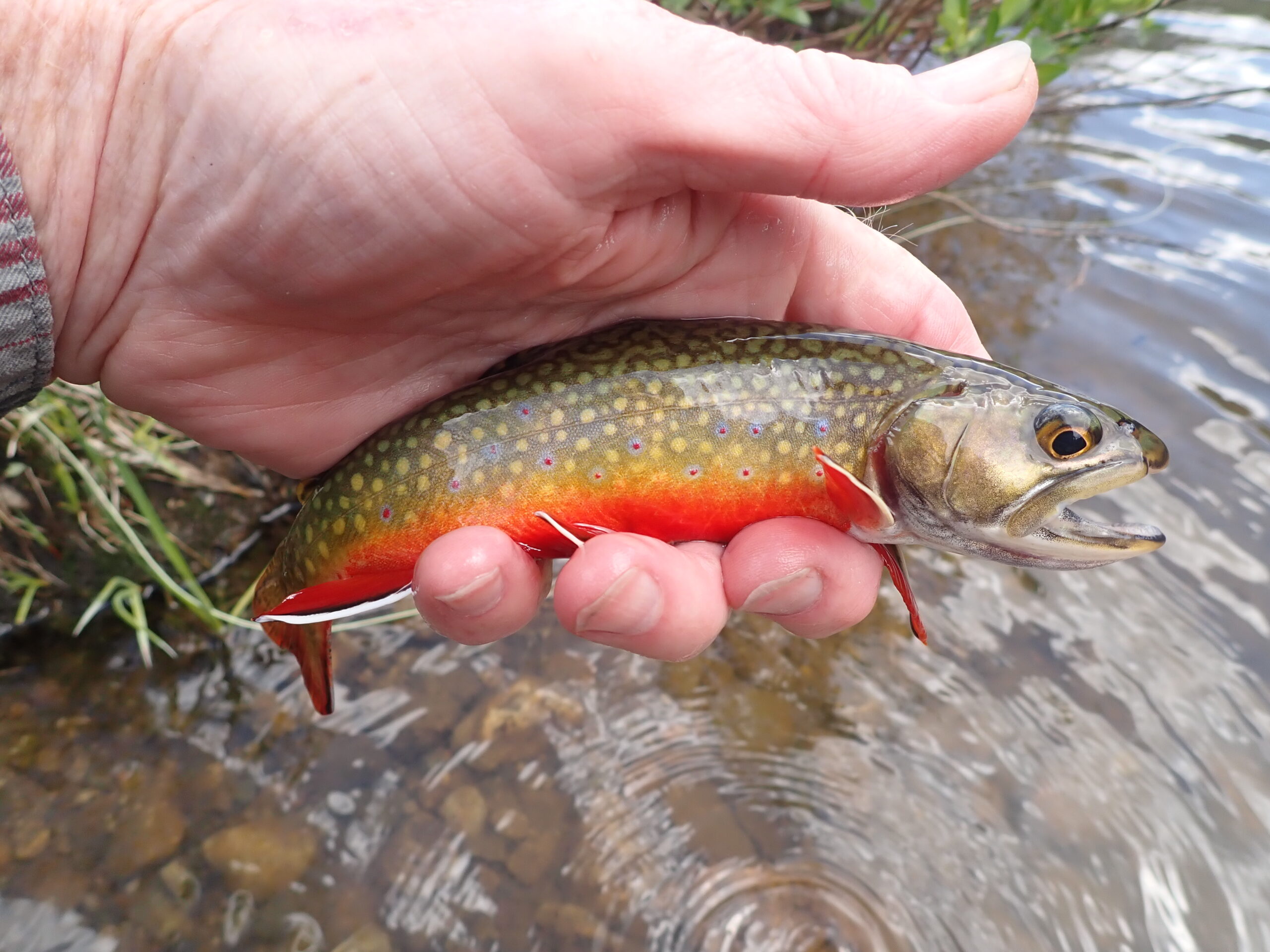 Brilliant
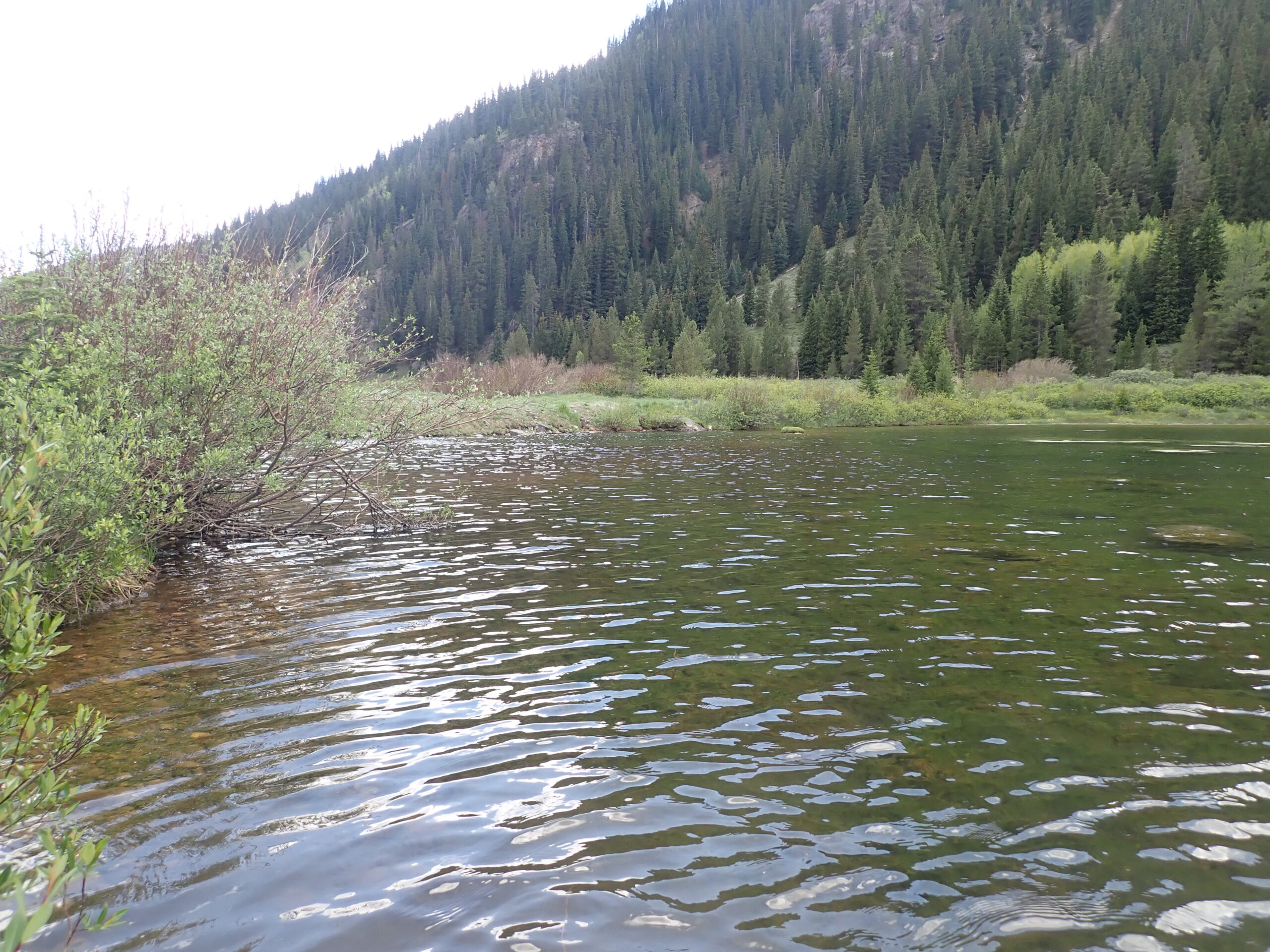 Getting Closer to the Bank
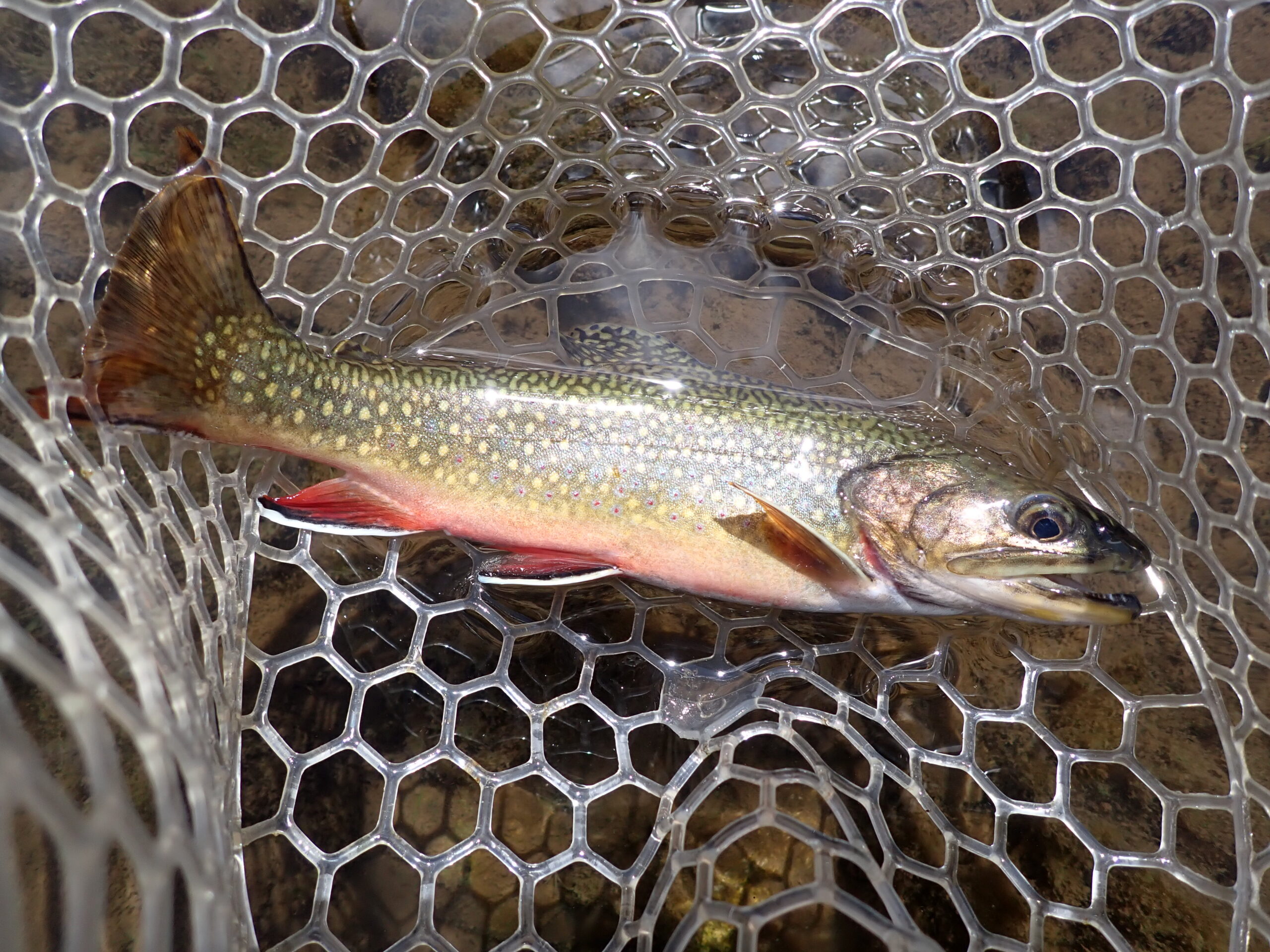 Scintilating
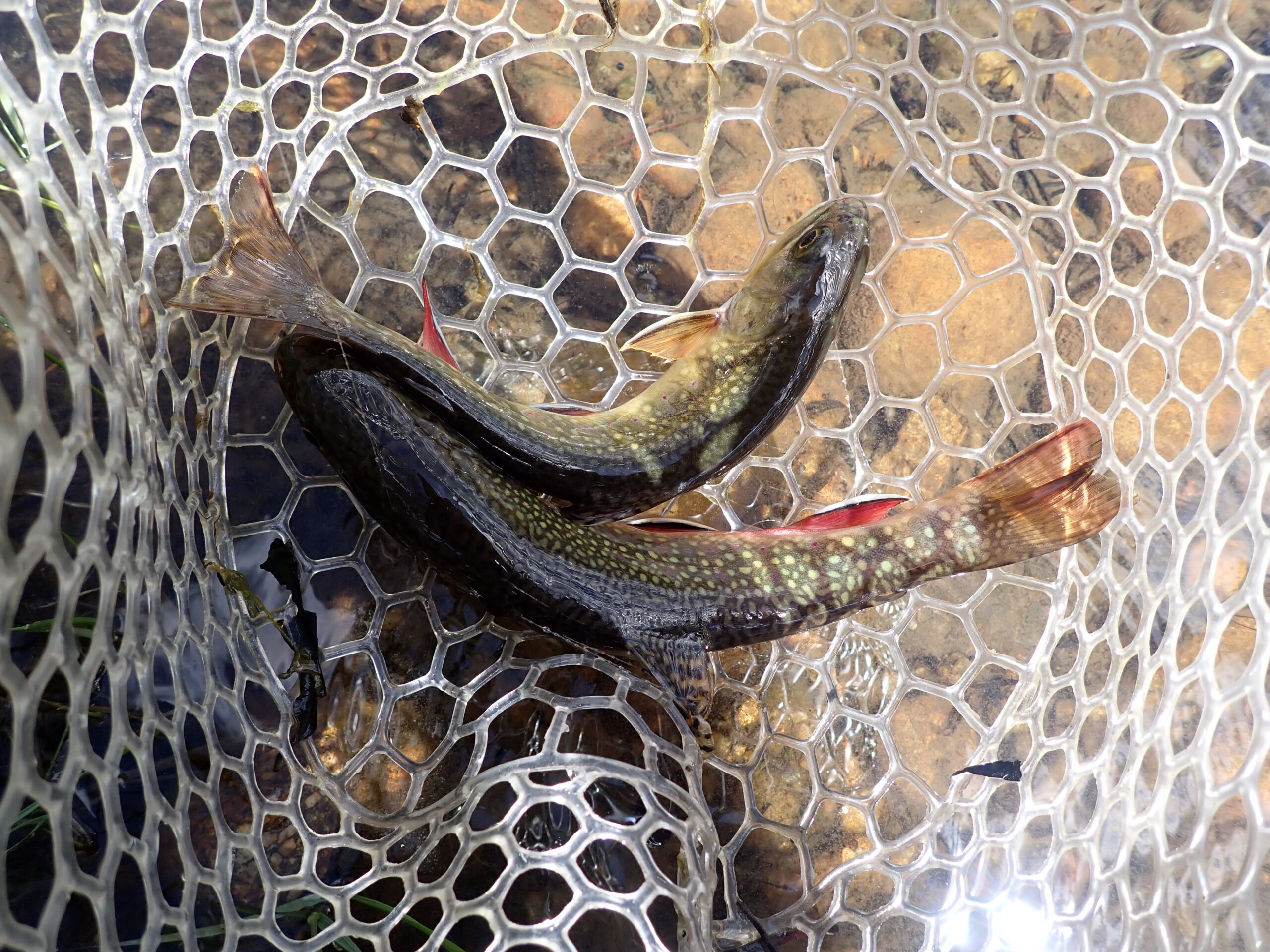 Third Double of 2025